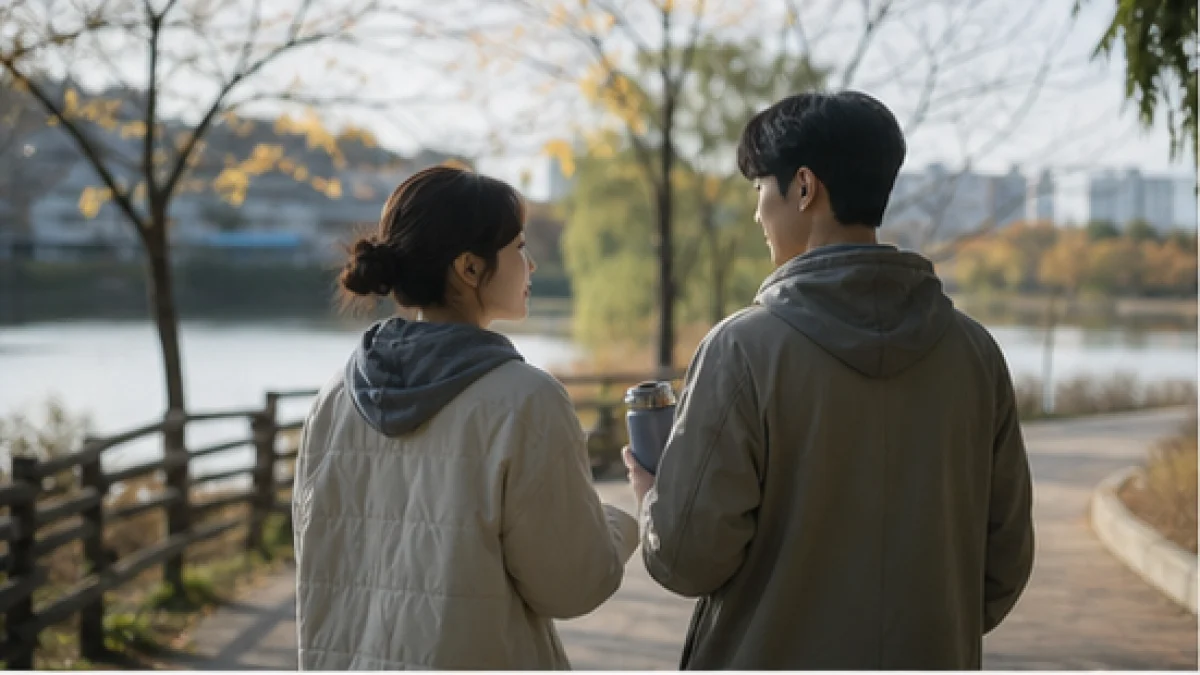
Late at night, the plan shifted from a public place to a dim, unfamiliar space at the edge of town. Nothing had happened yet, but the walk toward the entrance suddenly felt heavier.
What to remember todayYou do not need to keep going just because you already got close.
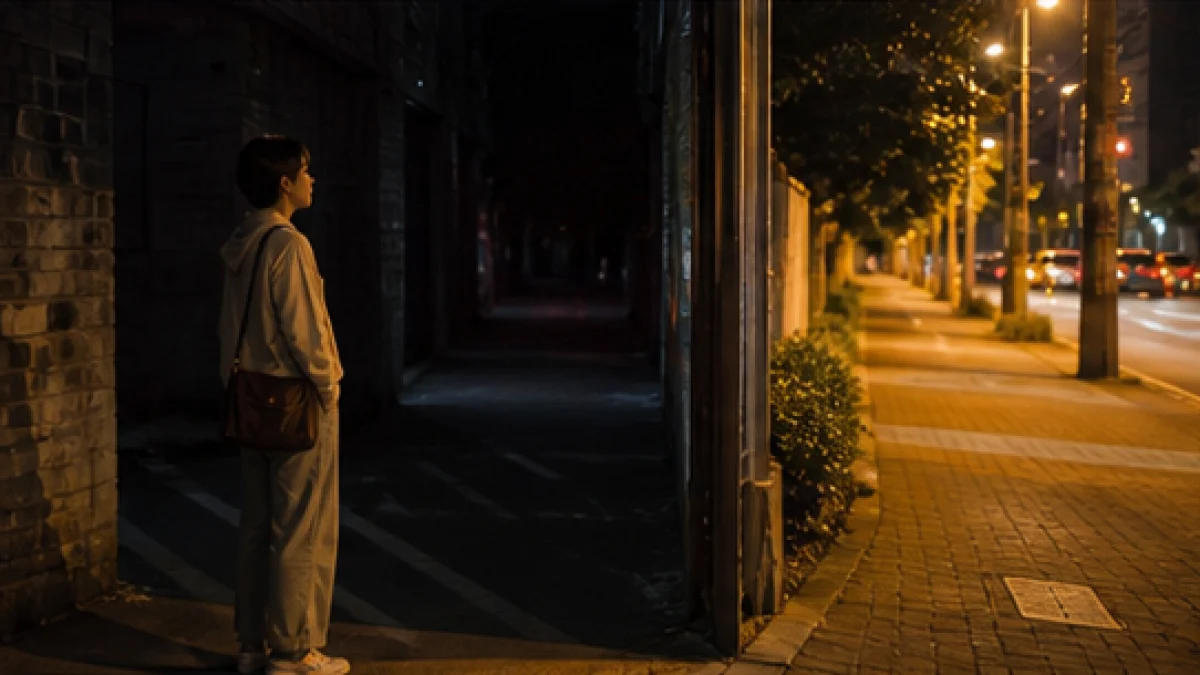
The entrance is still a choice point
It can feel awkward to back out once you are already there, but the decision is still yours.
A place that is darker, more isolated, or harder to leave changes the safety calculation right away.
Comfort comes before politeness
You do not need to force yourself inside to avoid seeming rude.
If you want to stay in the interaction, suggest a public, well-lit alternative instead.
Your body may notice first
If your feet slow down, your chest tightens, or you feel yourself bracing, do not rush past that signal.
You do not need to justify the feeling before you honor it.
Leave without negotiating if you need to
A simple "I am heading out" is enough. You do not owe a long explanation to get back to safety.
Keep your own transportation, ride, or route available whenever possible.
If you feel followed, treat it as a safety issue
If someone blocks you, keeps pace, or refuses to let you leave, stop arguing and move toward other people or staff.
Use local emergency help if you are trapped or in immediate danger.
The earlier exit is usually the easier one
Backtracking before you enter is not a failure. It is a clean safety choice.
The goal is not to prove bravery. The goal is to get home safely.
Say it clearly and briefly
- I am not going in. I am leaving now.
Responses that make things harder
- Going in just to avoid an awkward moment
- Trying to talk yourself out of the feeling while the place gets more isolated
Write the exact line you would use to leave before entering a place that feels off.
Before you decide
- Did I keep my own transport or exit route available?
- Did I leave when the setting felt less safe, not after it became unsafe?