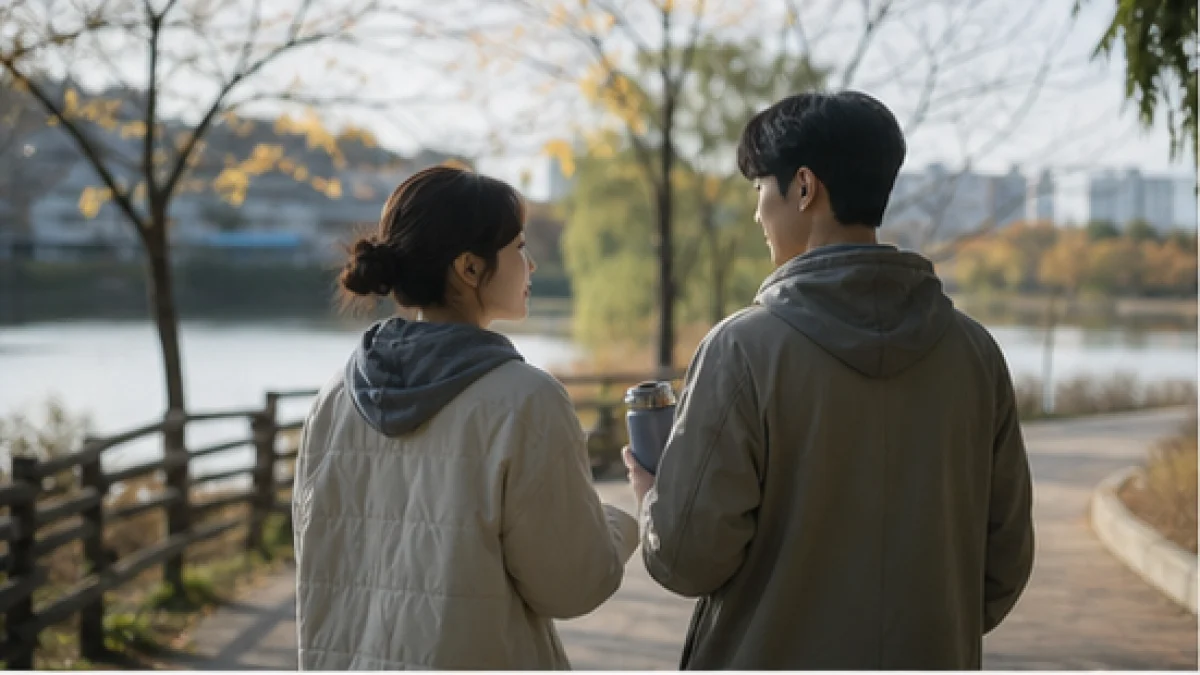
Early closeness can make privacy feel less important than it really is. A person may seem sweet and respectful, so sharing a few more details starts to feel harmless. But some information should stay protected unless there is a clear reason to share it.
What to remember todayPrivacy is not secrecy in a bad way. It is a boundary that protects your money, identity, body, and safety from being used without your real consent.
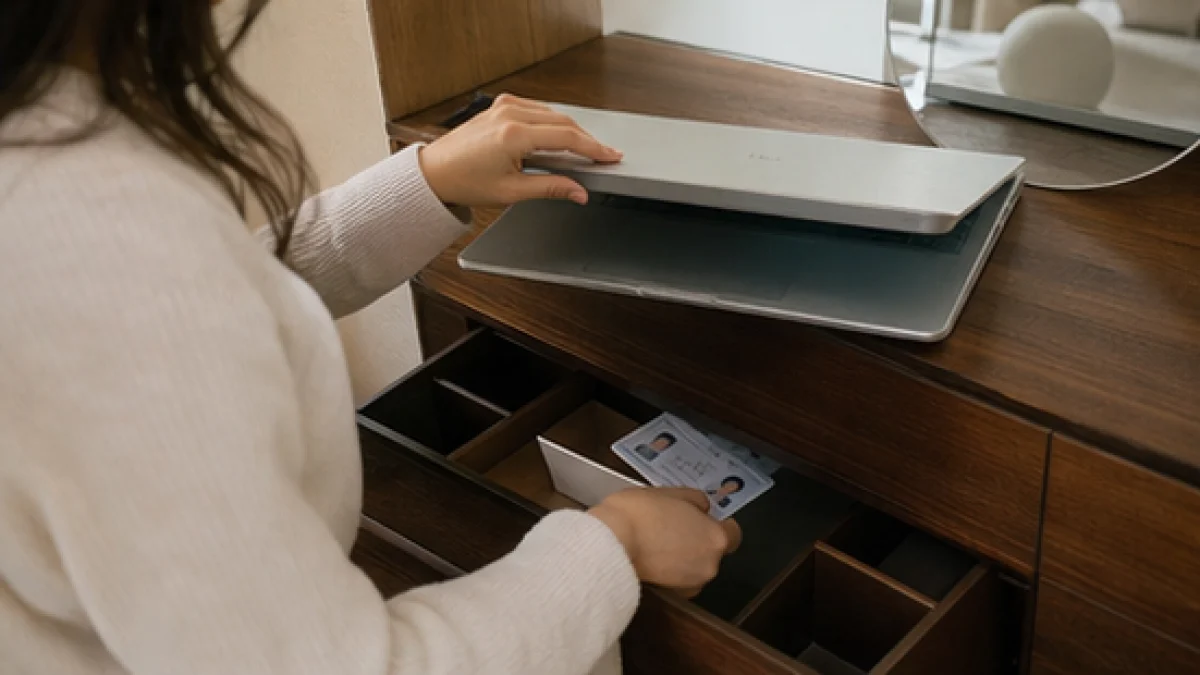
Keep the most sensitive items locked down
Do not share SSN, bank logins, card numbers, PINs, passwords, one-time codes, recovery emails, government IDs, or other account access just because someone is pushing for trust.
The same goes for intimate images, home address, live location, and device access. Once those details are out, you lose control over how they are used.
Separate care from access
A partner can care about you without holding your phone, your logins, your location, or your documents.
If someone says privacy is suspicious, that is often a way to make your boundary sound selfish.
Watch for identity and account risk
The wrong person with your details can open accounts, reset passwords, move money, impersonate you, or use your information to pressure you later.
If you suspect misuse, preserve screenshots and messages, change passwords from a safe device, and contact the affected institution directly.
Use shared access only when there is a real reason
There are cases where people legitimately share a ride app, a family calendar, or an emergency contact. Even then, the access should be limited and reversible.
Default sharing should not become permanent surveillance.
Keep your own exits open
If someone has too much of your personal information, it can be harder to leave, recover, or simply protect yourself later.
A good relationship does not require you to hand over the keys to your life.
When words are hard to find
- I keep my passwords and one-time codes private.
- I am not sharing my SSN, bank access, or ID photo.
- Care and privacy can both exist, so I am keeping this information protected.
Responses that make things harder
- Handing over sensitive details to prove trust
- Sharing location or device access by default
- Treating privacy as if it means you have something to hide
List three pieces of information you will not share in dating unless there is a clear, practical reason.
Before you decide
- Is this information actually necessary to share?
- Does sharing it create account, identity, or safety risk?
- Am I protecting passwords, codes, and IDs?
- Would I still say yes if I felt less emotionally swept up?