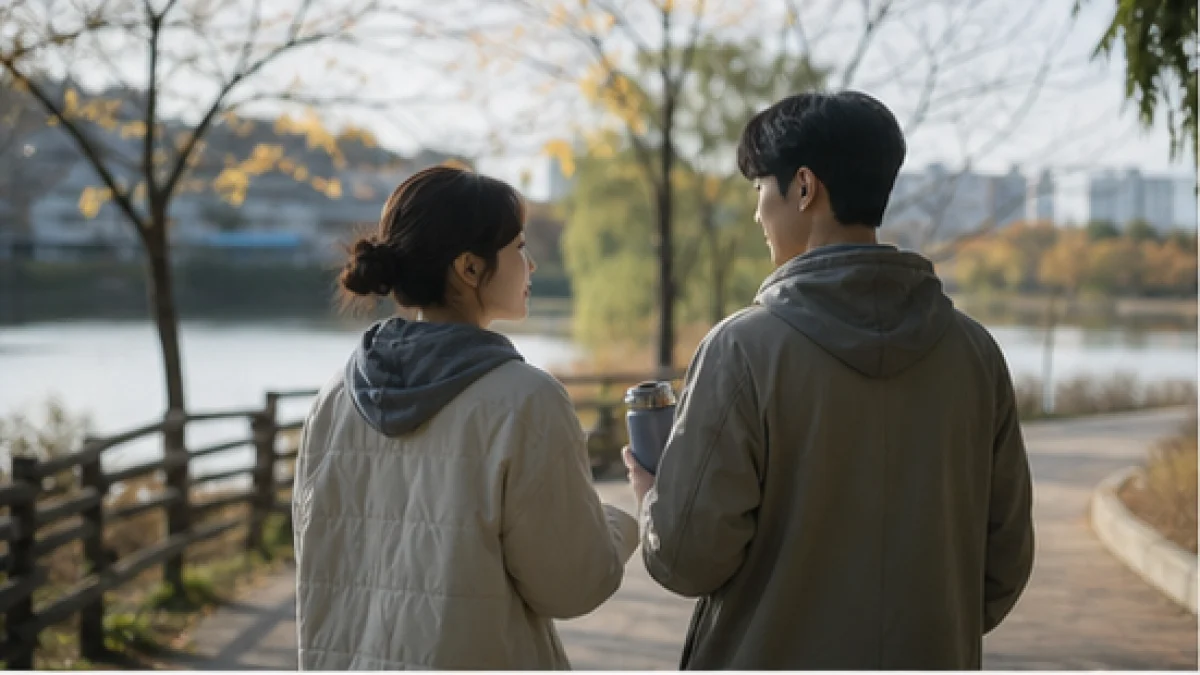
When you like someone, it is natural to want to treat them well. You may want to open doors, pick the nice place, or make sure nothing feels awkward.
What to remember todayGood kindness is not something the other person has to pay back. It is a way of making the shared moment feel easier.

Do not decide for them
Small acts can become heavy if they remove the other person’s choice. Asking first keeps kindness from turning into control.
A simple “Does this work for you?” is often more caring than assuming you already know the answer.
Do not make your effort into a score
If you start mentally counting how much you did, the kindness can turn into leverage. Then the other person is no longer receiving care; they are carrying an unpaid bill.
A useful check is whether you would still feel okay if the other person only said thank you and nothing more.
Make the gesture easier to receive
The best small kindnesses are often the ones that leave space for the other person to decline, adjust, or choose differently.
That keeps your care from becoming a test of gratitude.
Say it clearly and briefly
- Would this be comfortable for you?
- I wanted to be thoughtful, but I also want this to feel easy for you.
- No problem if you would rather do something else.
Responses that make things harder
- Keeping score behind the scenes
- Deciding for the other person without asking
- Making your kindness feel like an obligation
Before you do one kind thing, ask whether it would still feel easy to receive.
Before you decide
- Am I giving the other person a real choice?
- Am I expecting repayment in some form?
- Would this still feel kind if they only said thanks?
- Is the gesture easy to receive?