
People sometimes talk about manners as if there were one perfect script for every date. In real life, what matters more is whether the other person seems considerate, flexible, and respectful in ways you can actually see. Courtesy is useful because it tells you how someone handles ordinary moments, not because it proves their status.
What to remember todayNotice observable courtesy and compatibility without grading someone against a rigid etiquette system.
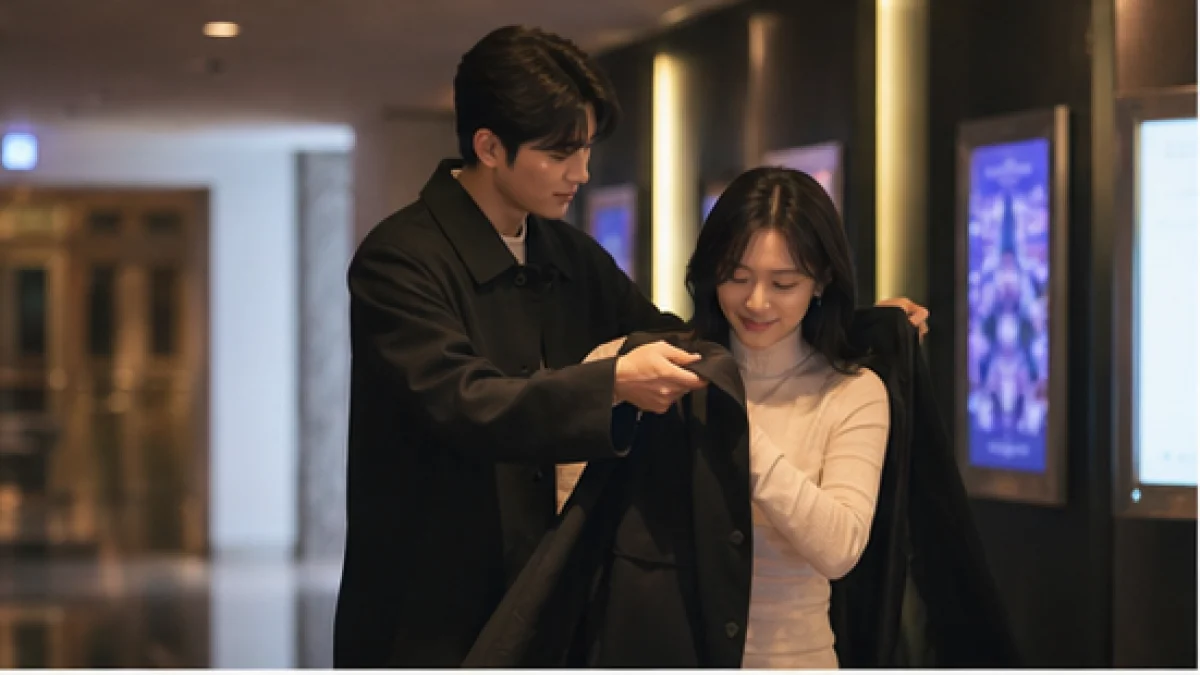
Watch how they treat other people
A person who is kind to you but rude to staff is showing you something real.
The way someone talks to servers, rideshare drivers, hosts, and strangers often says more than polished small talk does.
Notice whether time and attention are respected
Showing up reasonably on time, not constantly checking the phone, and not making the date feel rushed are all ordinary signs of care.
The point is not perfection. It is whether the other person behaves like your time matters too.
Boundaries are part of good manners
A person who can hear “no,” slow down, or change a topic without making the room tense is showing a more useful kind of manners than someone who performs charm but pushes anyway.
Courteous behavior should make the date easier, not more fragile.
Do not confuse etiquette with worth
Some people are less formal, less polished, or less trained in old dating rituals and still behave with real decency.
If you use etiquette as a class filter instead of a respect filter, you can miss the actual signal.
Compatibility is also part of manners
Good manners are not only about correctness. They are about whether both people can actually enjoy the same kind of rhythm, pace, and tone.
A very polished date can still feel wrong if the energy never becomes comfortable.
When words are hard to find
- I like how you treat people around us.
- Thanks for being easy to talk with and respectful about timing.
- It matters to me that a date feels considerate, not just polished.
Responses that make things harder
- Using manners as a status contest
- Ignoring rudeness because the person seems impressive
- Expecting one etiquette style to fit every person
After a date, write down one concrete courtesy you noticed and one compatibility signal it gave you.
Before you decide
- Did I notice how they treated other people?
- Did they respect time and attention?
- Did they respond well to boundaries?
- Did I avoid turning etiquette into a class test?