
You are not confused about whether you loved them. That part is obvious. What hurts is that the love is still there even though the relationship is not, and your body keeps acting like missing them should be enough to bring them back.
What to remember todayYou can love someone and still accept that the relationship is over. Grief deserves care, but it does not give you permission to cross boundaries or abandon yourself.
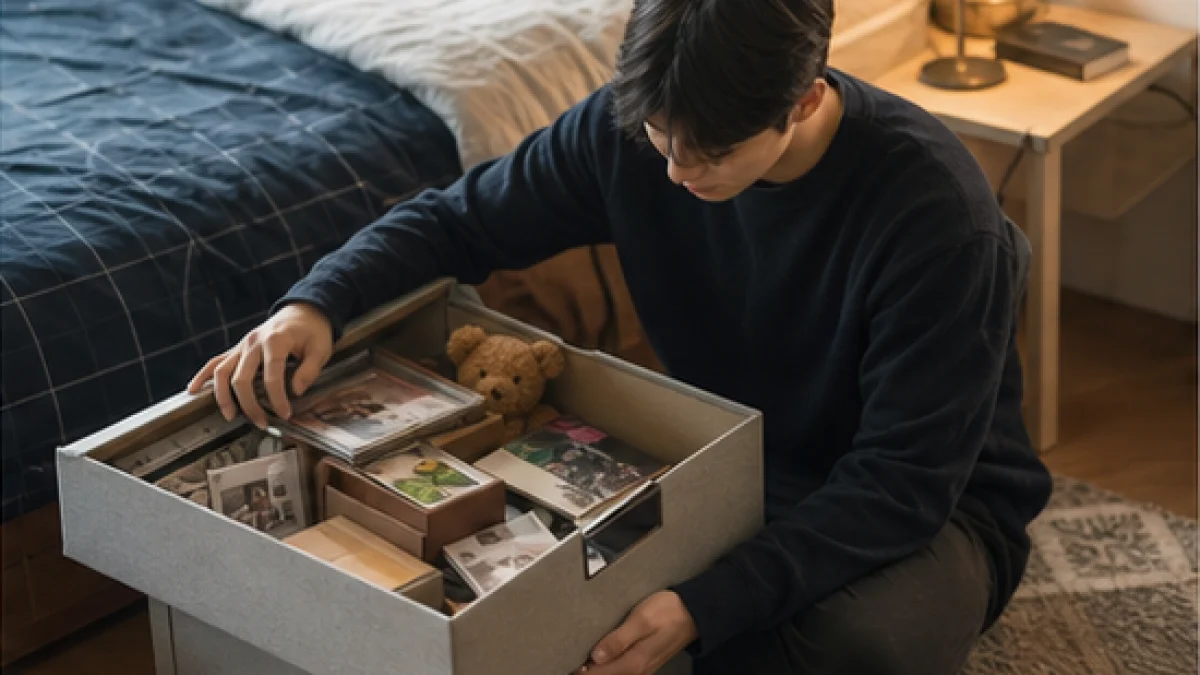
Love can outlast the relationship
A breakup does not erase attachment on command.
Feeling love, longing, or grief does not mean you made a mistake by feeling deeply.
Do not let pain turn into pressure
Repeated calls, long emotional messages, surprise visits, or bargaining for another chance can quickly become coercive even when the pain is sincere.
If the other person has set a boundary, respect it even while you are hurting.
Use broader support instead of making the ex your only lifeline
A trusted friend, family member, counselor, support group, or a daily routine can hold some of what the breakup is putting on you.
If you are at risk of harming yourself or feel unsafe, get immediate help from local emergency services or a crisis line now. In the U.S. and Canada, call or text 988 for urgent mental health support.
Stay away from self-neglect disguised as devotion
Skipping sleep, food, work, or other relationships to keep orbiting the breakup does not prove love. It only makes you less able to cope.
Grief needs structure, not self-erasure.
Let the love become a limit, not a leash
You can honor what you felt without turning it into a claim on the other person.
Sometimes the most loving thing you can do is stop reaching, ask for support elsewhere, and let the ending be an ending.
Say it clearly and briefly
- I still love them, and I still need to respect the boundary.
- My grief is real, but I do not get to turn it into pressure.
- I need support from people who are available to support me.
Responses that make things harder
- Repeated contact after a clear boundary
- Using pain to justify coercive behavior
- Skipping meals, sleep, or support because the breakup hurts
Make a one-day care plan with three items: one person to contact, one basic body need to meet, and one thing to stop checking or sending.
Before you decide
- Am I turning grief into pressure?
- Have I asked for support outside the relationship?
- Am I respecting the other person’s boundary?
- Am I caring for my body and safety today?