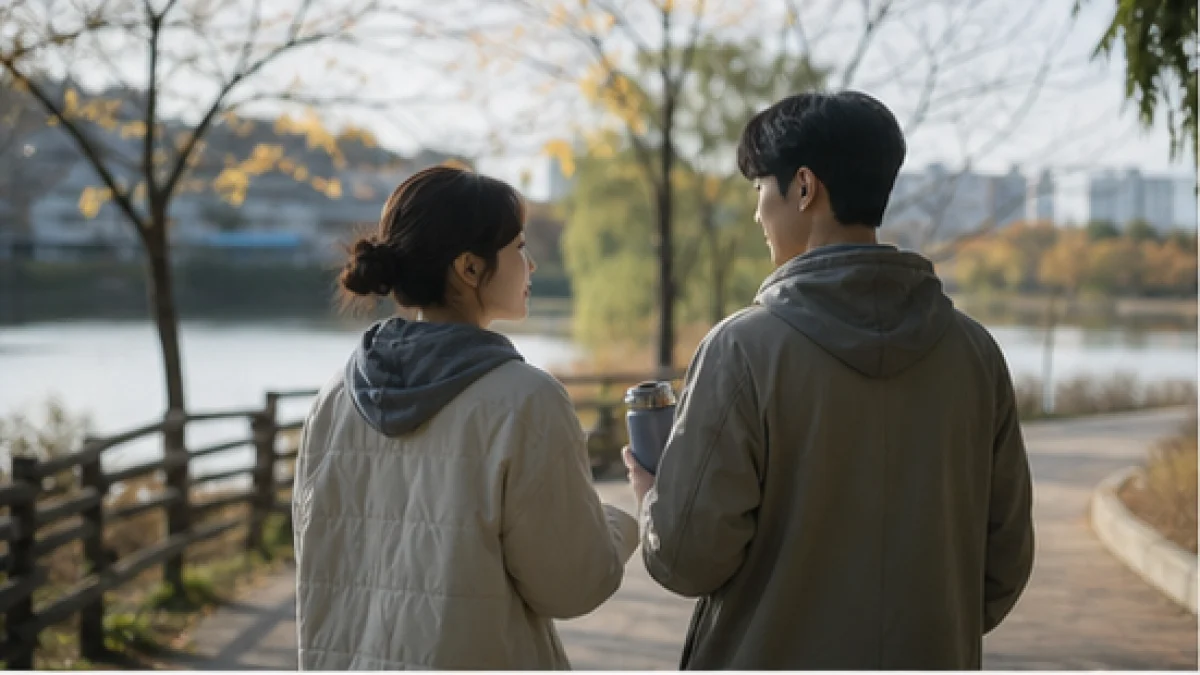
A surprise sounds romantic until it collides with something practical: a crowded venue, a work conflict, food allergies, sensory overload, money pressure, or a home visit the other person would never have chosen. The mistake is not the surprise itself. The mistake is acting as if “surprise” cancels the need for consent.
What to remember todayGood surprises are pre-approved in the ways that matter and unexpected only in the harmless details.
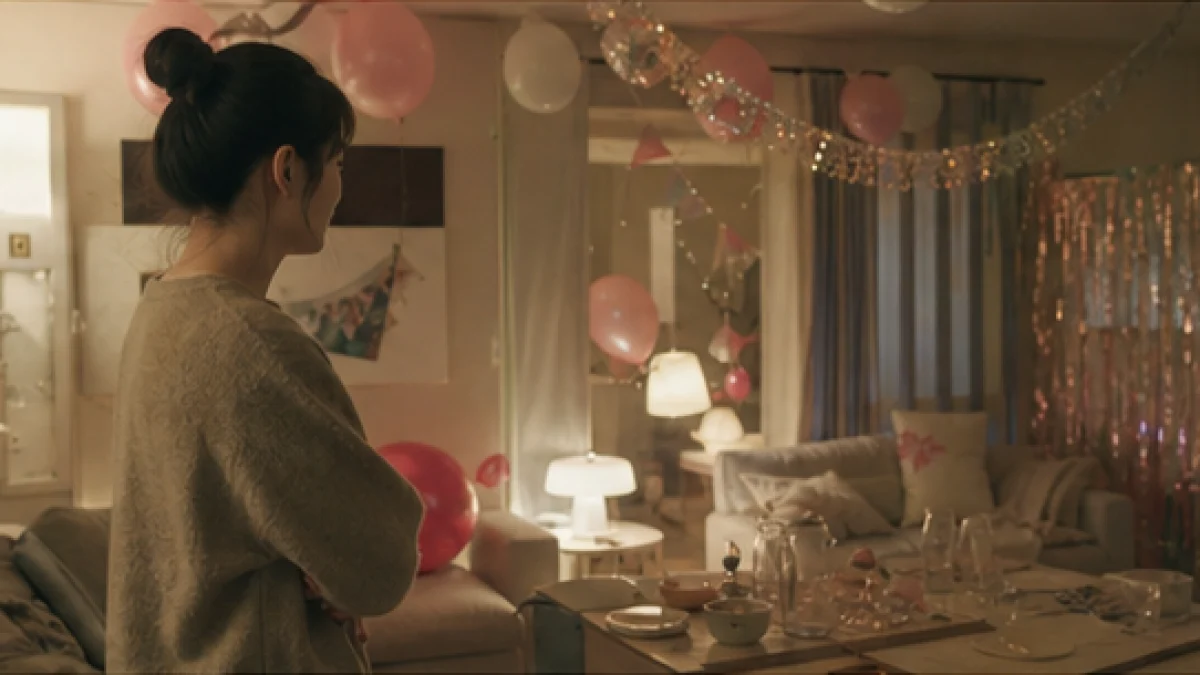
Pre-check the non-negotiables
Publicity, travel, food, guests, photos, accessibility, budget, and exit options are not details to wing at the last minute.
If any of those pieces are uncertain, you are not planning a surprise. You are gambling with someone else’s comfort.
Surprise the detail, not the person’s autonomy
You can hide the exact restaurant or the color of the flowers while still making sure the person had a real chance to opt in.
The fun part is not trapping them. The fun part is delight.
Have an exit plan ready
A person should be able to leave, pause, or change plans without being punished for “ruining” the surprise.
The safer the exit, the more relaxed the surprise usually feels.
Be careful with early dating and power gaps
A big surprise can feel presumptuous very quickly when people are still getting to know each other or when one person has more authority.
In those cases, small and clearly optional is usually better.
Respect the answer after the reveal
If the person looks overwhelmed, disappointed, or worried, do not force the moment to stay cheerful.
You can still save the relationship by taking their reaction seriously instead of treating it like ingratitude.
When words are hard to find
- I have a surprise idea, but I want to make sure the important parts are okay with you first.
- If you would rather not do a surprise at all, I can tell you the plan plainly.
Responses that make things harder
- Springing crowds, travel, or photos on someone without asking
- Treating a surprise as permission to ignore allergies, cost, or exit needs
Before planning a surprise, list every detail that affects safety or comfort, then pre-approve those items and leave only the harmless part secret.
Before you decide
- Are the important choices already consented to?
- Can the person opt out easily?
- Did I account for food, sensory, privacy, and cost?
- Am I surprising the detail rather than the person’s basic choice?