EverPair
After You’re Official
For the disappointments, repeated arguments, and repair that can still happen after you start dating.

If you need space, say when you will come back
Wanting a little time alone does not mean the relationship is over. It does mean the other person needs a real return time, not a disappearing act.

When anger crosses the safety line
Yelling, threats, broken objects, blocked exits, reckless driving, displaying a weapon, forced confinement, and stalking are safety risks, not communication styles.

When an apology needs to come with changed behavior
A polished apology is not enough if the same harm keeps happening. Real repair names the damage, takes responsibility, and changes what comes next.

When Someone Apologizes but You Are Not Okay Yet
If they say sorry and you still do not feel better, it can seem like you are holding a grudge. This looks at the difference between apology and recovery.

When Small Annoyances Start to Feel Bigger Than They Should
There is a difference between ordinary irritation, contempt, values or safety concerns, and resentment that has been building for a long time.

When Neither Person Wants to Be the First to Yield
Winning the argument is not the same as solving the problem. When both people dig in, the better move is to define the decision, the shared goal, and the smallest safe experiment.

When One Person Wants Empathy and the Other Jumps to Solutions
Being understood is not the same as being agreed with. A better conversation starts by asking whether you need listening, validation, questions, or solutions.

When an Ex Keeps Showing Up on Social Media
Old posts, active contact, and compulsive checking are different things. Clear privacy and contact boundaries help more than surveillance ever will.

When You Are Scared to Tell the Truth
If you need to tell the truth, plan the time, place, and safety first. Honest disclosure should not be turned into a manipulative half-answer.

When Friends Start Pushing at the Relationship
Friend conflict is easier to handle when both partners can keep their own friendships and still talk honestly about flirtation, privacy, time, and respect.

When You Feel Lonely Inside the Relationship
You can see each other often and still feel alone if the relationship never makes room for real emotional contact.

When Your Partner Lives on a Different Sleep Schedule
Late nights, noise, shift work, and shared space can make different sleep schedules a daily strain. Agree on quiet hours and responsibilities instead of treating either schedule as morally better.

When Your Partner Misses the Point
What feels obvious to you may not be obvious to your partner. Turn the expectation into a clear request they can actually answer.

When Your Partner Goes Quiet Under Stress
A short pause with a return time is different from disappearing without a word. The boundary that helps one person should not leave the other in the dark.

When Broken Promises Keep Showing Up
An apology may sound sincere, but repeated broken promises still damage trust. Look at the impact, the repair, and what actually changes afterward.

When Sharing Your Worries Feels Like Too Much
Opening up matters, but timing and capacity matter too. A partner can care without being the only place you put every worry.

When Social Plans Keep Triggering Jealousy
Autonomy and friendships still matter in a relationship. Plans, reassurance, and clear boundaries can help, but monitoring, isolation, threats, and retaliation are not care.

When Core Life Choices Clash Before Marriage
Love does not solve a mismatch in money, work, housing, children, caregiving, religion, family boundaries, sex, or conflict style. Those topics need direct conversation before a wedding, not after.

Love Does Not Need Big Drama to Be Real
A relationship can be calm, ordinary, and still full of care. Low spectacle is not the same thing as low commitment.

When a Playful Gift Feels More Sincere
A silly or playful gift can feel very real when both people enjoy the joke. The point is shared humor, not embarrassment.

How to Give a Compliment That Actually Lands
A good compliment fits the person who receives it. Specific, respectful praise usually lands better than a vague comment or an appearance-only line.

When the Thought Matters More Than the Price Tag
A gift can feel deeply caring because it fits the person, the moment, and the relationship. Price alone does not tell you much.

When a Gift Starts to Feel Like Debt
A gift should be freely given and freely received. Once it becomes a bill, a favor, or a trap, the meaning changes.

Giving Without Turning the Relationship Into a Ledger
Healthy giving is generous without becoming transactional. Reciprocity matters, but not as an exact day-by-day exchange.

Why a Short Letter Can Still Matter
A letter can hold a lot of feeling because it is slow, deliberate, and revisit-able. That same strength also means it deserves care.

When the Reaction to a Gift Falls Flat
A flat reaction can come from surprise, overload, culture, discomfort, or simple mismatch. It is not automatically a verdict on you.
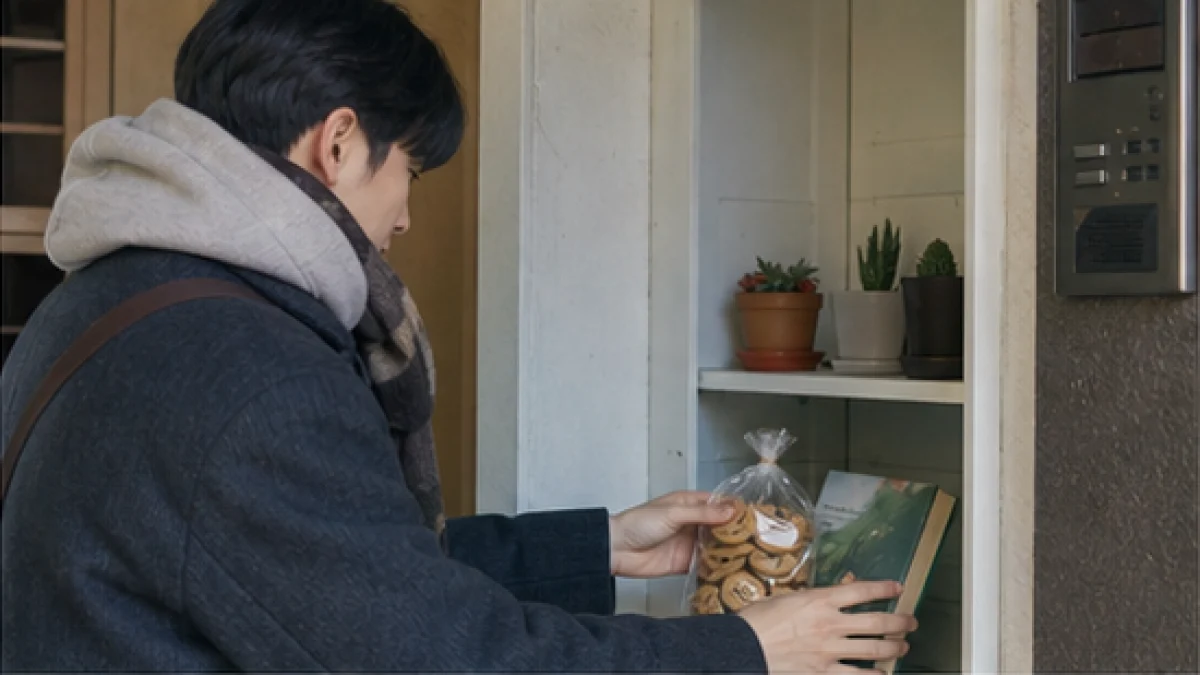
When Someone Remembers a Favorite Thing You Mentioned Once
Remembering a passing comment can feel very attentive. It is a sign of listening, not a guarantee of compatibility or safety.

How to Say Thank You Without Making It Awkward
A good thank-you names the specific thing you appreciated. It does not turn gratitude into performance, apology, or debt.

When Small Care Feels Like Love
Small acts can matter a lot when they are welcome and repeated over time. They are not proof by themselves.

When a Surprise Needs Consent to Stay Fun
A surprise should be about the detail, not about taking away the person’s right to choose, leave, or feel safe.

When your ex keeps becoming the comparison in your head
Comparing a current partner with an ex usually says more about your current insecurity than about either person’s worth.

Repair the Conflict Before You Try to Win It
In an argument, being right can feel urgent. But if winning leaves the relationship colder, the argument was never just about facts.

How to Take a Timeout in a Fight Without Disappearing
Sometimes you need to cool off before you can talk well. The pause only helps if both people know when the conversation will come back.

When Taking a Pause in a Fight Feels Like Avoidance
A timeout during conflict can be escape, or it can be a promise to talk better. Here is what makes a pause useful.

You do not have to fix every low mood
Being present is not the same as being responsible for someone else’s mood. Sometimes the kindest move is support, not rescue.

When your effort keeps going unnoticed
When you keep showing up and it gets treated like nothing special, resentment can build fast. The answer is not scorekeeping, but making the pattern visible.

When Things Get Better and Your Expectations Jump Too Fast
A good stretch can make it feel like the hard part is over. The safer move is to separate hope from entitlement and check whether the new pattern is actually holding.

When Family and Friends Keep Pulling at Your Relationship
Advice from people you love can be useful, but it can also crowd out your own judgment. Boundaries help your relationship stay rooted in the two people inside it.

When you need a timeout in a fight but not abandonment
You do not have to force an immediate talk. A good timeout includes a return time, basic safety, and a clear end to the pause.

Four ways people hide in conflict, and one small way to stay present
In conflict, people often attack, distract, withdraw, or appease to get through the moment. Noticing the move makes a different response possible.

How to Talk About the Future Without Turning It Into an Ultimatum
You can discuss major future plans without turning the conversation into a proposal or a loyalty test. Asking is not the same as demanding.

When one person wants to talk right away and the other needs time
Some people feel safer resolving conflict immediately, while others need time alone before they can talk. This article looks at how to work with those differences without hurting each other.

When you want to stop talking because you are angry, but you do not want it to feel like punishment
When you are angry, you may not want to talk, but sudden silence can make the other person anxious. This article separates a cooling-off pause from silent treatment.

When Hurt Comes Out as Sharp Words
You meant to say you were hurt, but your partner feels personally attacked, and you feel your pain has been dismissed again. Separating what happened, how it affected you, and what you're asking for can keep the original issue in view.

When Jealousy Makes You Keep Asking for Reassurance
Jealousy does not have to turn into a trap. You can name the feeling, ask for a concrete request, and leave out the games that damage trust.

How to Keep Affection in the Routine
Less sparkle does not automatically mean less love. The real question is whether care is still showing up in small, repeatable ways.

When the kind of love you want and the kind that feels comfortable are not the same
One person may feel loved by constant texting, while the other feels loved by steady presence and practical help. The answer is not a label, but a conversation.

How to Text with Someone You Actually Want to Keep Caring About
A text thread can either carry care or become pressure. The difference usually comes down to specificity, timing, and consent.

Money can help, but it cannot do the emotional part for you
Paying for dinner, gifts, or the ride home can be generous. It still does not replace listening, showing up, or taking shared responsibility.

When it feels awkward to bring up the cost of dates
If you avoid money talk, even small expenses can turn into hurt feelings. This article looks at how to talk about date costs, gifts, and lifestyle in a way that feels normal in the US.

When you want to shut the feeling off after a fight
Alcohol, gaming, scrolling, and other distractions can offer a short break after conflict. If they become the main way you avoid returning to the issue, they stop helping.

When today’s fight is waking up an older hurt
A small problem can feel enormous when it touches an old wound. The task is to notice the old pain without erasing what is happening right now.

When One Person Pushes to Talk and the Other Shuts Down
The harder you push for an answer, the more your partner closes off, and the more they close off, the harder you push. Your words may feel like different languages because of how your responses feed into each other, rather than because of gender.

Why Personal Time Still Matters in Love
Wanting time alone does not mean the relationship is failing. The key is whether the space is negotiated or used like a shutdown.

When someone pressures you to talk right now
A flooded or blank mind does not get better because somebody demands words immediately. What helps is a clear pause with a real return time.

When a relationship changes and you start fearing it has ended
Less texting, fewer late-night talks, or a calmer pace can feel like the beginning of the end. Sometimes it is just a relationship asking to be reworked.

When it feels awkward to suddenly ask if we're doing okay
Even when you haven't argued, you may want to ask how you both feel these days, but hold back because you worry it might make things awkward.

Remembering the little things is care, not control
Tracking a partner’s likes, needs, and important dates can be a loving habit. It should not turn into surveillance or scorekeeping.

When Remembering Small Details Matters
Remembering the little things can feel deeply caring. It should not become a way to monitor someone or measure how good a partner they are.

How to Rebuild Trust After You Have Been Let Down
Being apologized to does not automatically make the hurt disappear. Real repair takes repeated, believable change over time.

An Apology Only Helps If the Behavior Changes Too
A sorry can sound sincere and still leave the same wound open if nothing changes afterward. Repair takes more than words.

When repair needs one clear action, not a total personality overhaul
After conflict, ask for one observable change with a timeframe. A single repair step is more workable than demanding a whole personality change.

When Jealousy Keeps Showing Up
Jealousy does not make you a bad partner. But when it keeps turning into suspicion, accusations, or control, the pattern is worth looking at.

A no to one request is not a no to the whole person
It can sting when someone cannot or will not do what you asked. That single no does not automatically mean the relationship itself is being rejected.

When the work you carry stops feeling seen
Unseen effort can turn into resentment when it is assumed, not discussed. The answer is not debt; it is clearer requests and better reciprocity.

How to Refresh a Date Without Making It a Production
Novelty is optional. What matters more is whether the date still fits your lives, your bodies, and your actual budget.

When silence turns into punishment
A communicated cooldown is not the same as the silent treatment. If there is no return time, no logistics access, and no explanation, the silence is doing damage.

When the big occasion is over, but the small care still matters
A grand birthday dinner can feel nice, but it does not replace the check-in, the ride home, or the ordinary text that says “I thought of you.”

How to Make a Surprise Feel Generous Instead of Owed
A surprise is only kind when it does not secretly ask for repayment, gratitude theater, sex, or compliance.

When work keeps pushing the relationship to the side
A busy season does not have to mean constant access, but it does need a plan. Predictable check-ins matter more than vague promises.

How to Rebuild Trust After a Small Lie Gets Caught
Even a small lie can leave you wondering what else was hidden. Trust comes back through honesty, repair, and repeated follow-through, not excuses.

When you both need support at the same time
Two people can be having a hard day at once. The move is to sort urgency, take turns, and bring in outside support if the situation is too much for just the two of you.

When Waiting for Your Partner to Just Know Builds Resentment
It can feel as though someone who loves you should know without being told, but you can see the same situation differently. Say what you need them to do, while separately examining any imbalance where they only act when you give instructions.

Why a good day can suddenly turn into a fight
When things finally feel calm, delayed hurt can surface. The goal is to protect the good moment while still making room for the unresolved feeling.

You can be angry without apologizing first
Anger can be valid information. The task is to steady yourself enough to speak plainly, not to erase the feeling before it exists.

An apology matters when it changes what happens next
A real apology names the harm, repairs what it can, and shows up again in changed behavior instead of pressuring forgiveness.

How to care for someone without becoming their manager
Care is support, not supervision. Adults own their own tasks, timing, and emotions even in a loving relationship.

How to Talk About Commitment Expectations Without Mind-Reading
Commitment is easier to understand when it is broken into time, exclusivity, communication, future plans, and support instead of vague promises.

Share Your Feelings Honestly, Not as a Performance
A confession works best when it is sincere enough to be real and private enough to avoid trapping the other person.

One Conflict Does Not Mean the Relationship Has Failed
A fight does not automatically mean that a relationship is broken. Look at whether both people remain safe, respectful, and willing to repair the harm afterward.

How to Ask to Define the Relationship Without Making It an Ultimatum
A direct relationship question is not a trap. It is simply a clearer way to find out whether two people want the same thing.

Different Commitment Speeds Need a Real Conversation
When two people want commitment at different speeds, the answer is not silent waiting. It is a direct conversation and a decision about whether the pace can work.

How to Talk About Exclusive Dating Clearly
Exclusive dating only works when both people say yes to it clearly, including the sexual-health implications that come with it.

When Family Has an Opinion About Your Relationship
Loved ones can see things you miss, but their reaction does not get to make the decision for you.

When Texting Starts Turning Into a Fight
If every delay feels personal, the argument can become about the phone instead of the relationship.

If He Keeps Avoiding a Definition, Treat That as Information
When someone keeps dodging a simple question, the avoidance itself tells you something. You do not have to chase a clearer answer forever.

When kindness starts pushing my needs to the back of the line
When you keep understanding the other person, it is easy to shrink your own discomfort. Kindness should not erase you.

Intimacy Does Not Create a Label, Exclusivity, or Debt
Sleeping together does not automatically mean you are exclusive, in love, officially together, or owed anything in return.

How Women Keep Desire Alive in a Long-Term Relationship
Desire usually lasts better when consent, affection, novelty, rest, and a fair split of the work are all part of the relationship.

When Dating Gets Serious Enough for a Money Talk
If money keeps feeling awkward, the relationship can start carrying hidden pressure instead of shared reality.

How to Talk About the Future Early Without Forcing a Timeline
Early future talk should clarify direction, not pressure someone into a deadline they are not ready to make.

When You Need Reassurance, Say It Plainly
If you are hurt but hoping your partner will guess why, the distance usually grows before the comfort arrives.

Do not mother an adult partner
A relationship works better when two adults stay adults. Care does not mean becoming the manager, fixer, or parent.

Receiving care does not create debt
Being cared for can feel vulnerable, but it does not mean you owe access, affection, compliance, or a relationship in return.

Spot Control Early Before It Starts Feeling Normal
Control often starts small enough to excuse. The earlier you notice the pattern, the more options you still have.

A Relationship Label Does Not Guarantee Safety
Being official does not automatically make someone safe, respectful, or entitled to your time, body, or privacy.

A Repair Ritual Can Help After Conflict
When words alone do not fully settle the nervous system, a simple repair ritual can help the relationship land back on solid ground.

Respecting Alone Time Without Making It Feel Like Rejection
Needing time alone does not have to mean pulling away without explanation or using distance as punishment.

If the Definition Talk Ends in No, Keep the Rejection Clear and Kind
After a definition talk, a no should stay a no. Kindness matters, but clarity matters more than cushioning the answer.

When Social Media Starts Crossing a Boundary in Your Relationship
Posting a relationship should not require pressure, public performance, or access to private accounts.

Can You Really Stay Friends After an Almost-Relationship?
You can stay friends after something ambiguous, but only if both people genuinely want friendship and enough space has passed for the old hope to settle.

When caring turns into rescuing a grown partner
Wanting to help is normal, but covering every consequence can keep an adult partner from facing reality.

Sexual Boundaries Need Ongoing Consent, Not Guessing
Sexual boundaries do not disappear once a relationship feels close. Likes, limits, contraception, STI testing, and consent still need real conversation.