
A letter has a different weight than a text. It can feel more intentional, more sincere, and more memorable because the writer had to slow down enough to choose the words. But letters are also permanent, forwardable, screenshot-able, and easy to misread outside the moment they were written in. That makes them powerful and risky at the same time.
What to remember todayLetters work best when they respect privacy, accessibility, and the other person’s right not to respond.
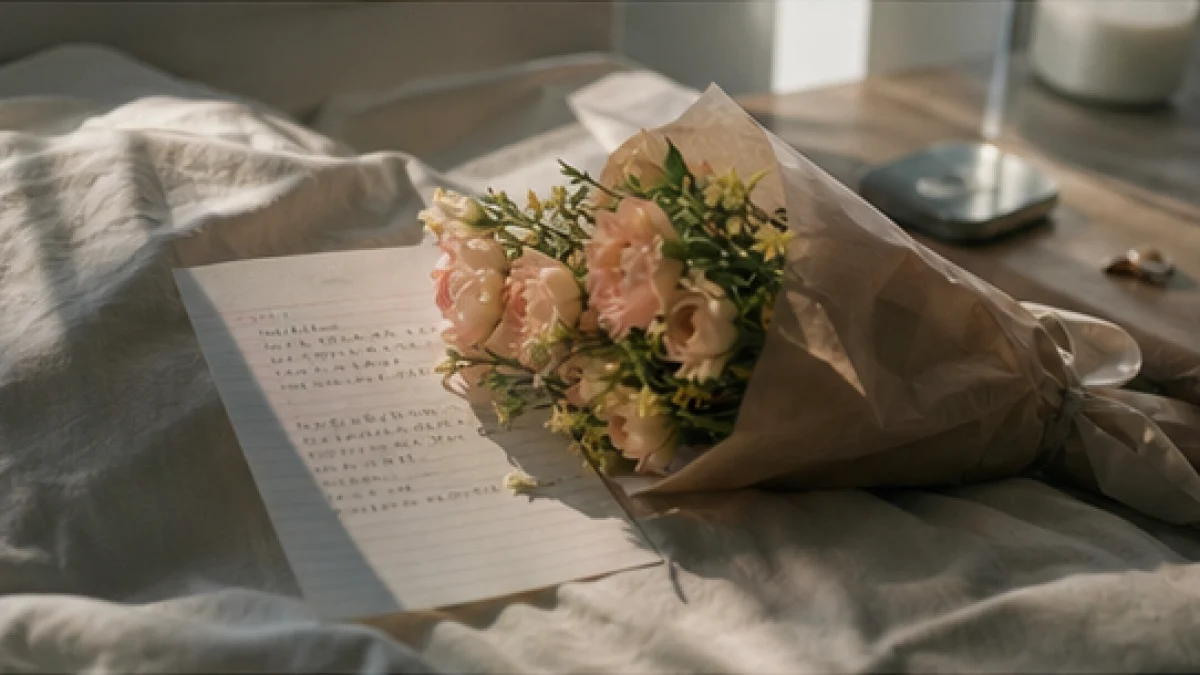
Use a letter for clarity, not pressure
A letter can help you say what you mean when a live conversation feels too fast.
It should not be a way to corner someone into answering on your timeline.
Remember that writing is durable
Unlike a spoken moment, a letter can be shared, saved, reread, or misunderstood later.
Write as if the words may be seen again outside your control, because they might be.
Respect accessibility and preference
Some people process written language well, and some do not.
If the person struggles with reading, prefers verbal conversation, or asked for something else, choose a format they can actually use.
Do not use a letter to bypass boundaries
A long note is not a loophole around blocking, distance, or a stated no-contact boundary.
If someone does not want more contact, a letter can become another form of intrusion.
Keep the ask honest and small
If you are hoping for reconnection, say that plainly without building a speech that tries to trap the other person emotionally.
A clear, low-pressure letter is usually stronger than a dramatic one.
Let the letter open a conversation rather than replace it
Writing can help when tears or agitation make it hard to keep the point in view. The letter does not need to contain the whole history of the relationship. Center the feeling you want to share, one relevant moment, and one request. That leaves room for the other person to respond.
Before sending something written during conflict, check its purpose sentence by sentence. Is it meant to communicate, or to produce guilt and prevent a reply? Do not demand an immediate answer. Suggest when to talk. Information that affects safety or an urgent joint decision should not remain hidden in a private draft for long.
When words are hard to find
- I wanted to put this in writing because I did not want to speak too quickly.
- You do not need to answer right away, or at all, if you would rather not.
Responses that make things harder
- Using a letter to get around no-contact
- Writing so much that the other person cannot realistically respond
Draft a letter in two versions: one that only states what you feel, and one that removes every sentence that asks for an answer.
Before you decide
- Is this respectful if it is reread later?
- Am I honoring the other person’s response boundary?
- Would a shorter version be clearer?
- Am I using the letter to communicate or to pressure?