
It feels good when someone brings up the coffee you casually mentioned, the snack you like, or the old song you said you loved once. That kind of memory can make you feel seen. Still, one attentive moment should stay what it is: a positive sign, not a full character report.
What to remember todayRemembering a favorite thing can show attention, but trust and compatibility still depend on the larger pattern.
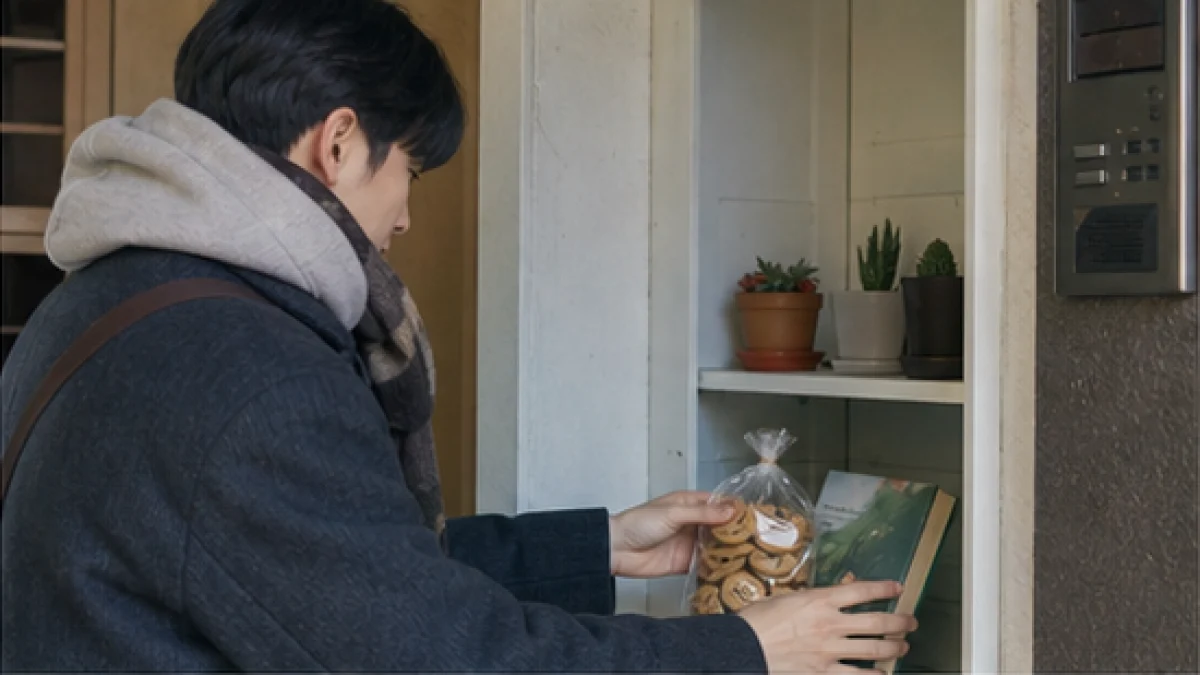
Take the care seriously
Remembering a small preference usually means the other person was listening.
That is worth appreciating because being noticed is part of what makes relationships feel real.
Do not turn one detail into a fantasy
A person can remember your favorite tea and still be inconsistent, intrusive, or unavailable in other ways.
One thoughtful detail does not erase other patterns.
Respect privacy and avoid surveillance
There is a difference between listening well and digging through someone’s life to create the illusion of intimacy.
Care should come from conversation and consent, not from invasive research or monitoring.
Check the overall pattern
The stronger sign is not a single remembered detail but repeated, ordinary attention over time.
Look for whether they also respect your time, your no, and your boundaries.
Let it be sweet without making it ominous
You do not need to reject warmth just because it is not enough to answer every question.
It is okay to enjoy being remembered and still stay realistic.
Check an old preference against the person's current choice
It feels good when someone remembers a food or place you once loved. Tastes change, and even a lasting favorite may not fit today. Asking, "You used to like this. Does it still sound good?" turns memory into an opening for conversation rather than a label that fixes the person in place.
Saving every passing comment for a surprise is not always tender. Addresses, schedules, and family details deserve care that matches the pace of the relationship. If the person seems startled or uneasy, do not insist that they should enjoy it. Good memory shows in how carefully you use what you know, not in how much information you collect.
When words are hard to find
- It means a lot that you remembered that.
- I like that you listen, and I also try to watch the bigger pattern over time.
Responses that make things harder
- Using one remembered detail as proof of safety
- Turning private facts into a way to control or track someone
Notice one small thing someone remembered about you, then name one other behavior that would need to be consistent before you call it real trust.
Before you decide
- Did I appreciate the attention without romanticizing it?
- Am I still checking the bigger pattern?
- Was the memory based on normal conversation, not invasive digging?
- Do I feel more seen rather than more monitored?