
People often underestimate the power of small care: bringing water, checking in after a long day, remembering a deadline, making sure someone got home okay. These gestures can feel like love because they reduce friction and create relief. But small care only stays loving when it is not hiding control, surveillance, or unpaid labor.
What to remember todaySmall care matters most when it is reciprocal, wanted, and sustainable.
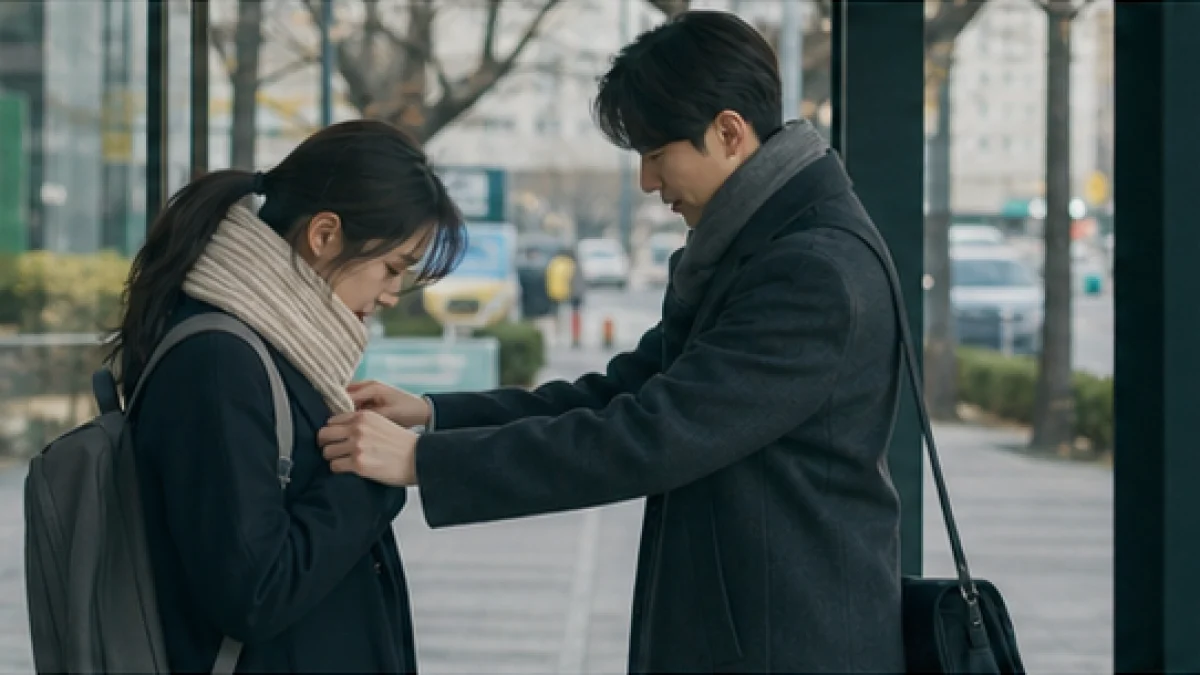
Notice the relief, not just the gesture
Care lands because it makes life lighter for the other person.
The feeling of being helped is often what makes the gesture memorable.
Do not romanticize one-sided caretaking
If one person is always cooking, remembering, planning, and adjusting while the other rarely contributes, the pattern is not automatically love.
Love should not require one person to become the unpaid manager of the relationship.
Check consent and autonomy
Small care should not turn into checking location, tracking habits, or deciding what the other person needs without asking.
Helping is different from supervising.
Look for reciprocity over time
The strongest sign is not a single kind act but a pattern of both people making room for the other.
When care goes both directions, it feels easier to trust.
Keep the scale honest
A little care can be meaningful without being magical.
It is okay to appreciate the gesture without pretending it solves a much bigger mismatch.
Ask whether a small act of care is wanted
Bringing a jacket or preparing food can be tender. Continuing to insist after the person says they are fine, or making decisions they did not request, turns care into interference. Ask first when you can. If the answer is no, stopping without adding guilt is part of caring.
The recipient can name the gestures that genuinely helped, which makes a shared language of care easier to build. At the same time, do not hide labor under the phrase "small acts of love" when one person always notices, prepares, and remembers. Recurring care is real work and should be recognized and divided.
When words are hard to find
- That small thing meant a lot to me.
- I like the care, and I want it to stay mutual over time.
Responses that make things harder
- Turning caretaking into your identity
- Calling one-sided management love
List three small acts you appreciate and one small act you can realistically return without overextending yourself.
Before you decide
- Is this care wanted, not assumed?
- Does it stay reciprocal over time?
- Am I respecting autonomy?
- Is anyone silently carrying too much?