
The anniversary was thoughtful, the flowers were beautiful, and the dinner was expensive. A week later, you still feel oddly alone because the relationship disappears between the milestones.
What to remember todayPay attention to the quiet, repeatable things that happen after the big gesture is over.
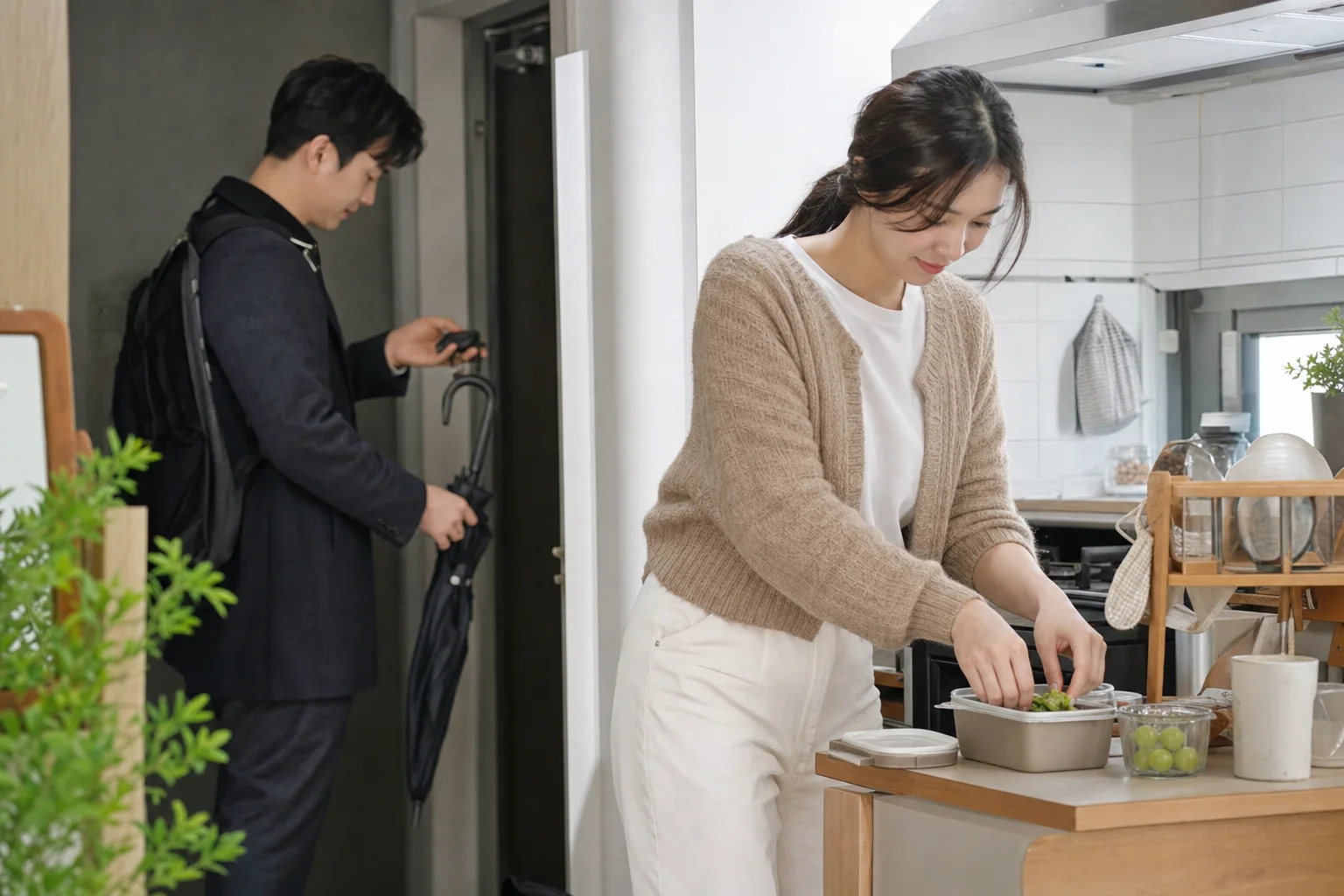
Big moments do not carry the whole relationship
A special dinner, holiday gift, or planned surprise can feel meaningful. But if the ordinary days are cold, forgetful, or one-sided, the relationship will still feel unstable.
A few dramatic acts do not outweigh a long stretch of inconsistency.
Look for the habits that repeat
Do they check in when nothing exciting is happening? Do they remember the small details that matter to you? Do they keep their word when no one is applauding?
Those tiny patterns usually tell you more than one polished weekend does.
Do not turn care into a scoreboard
It is easy to start counting who did the more expensive dinner, who gave the bigger gift, or who posted the better photo. That kind of tally often hides the real question: do I feel supported when life is normal?
Reliable care is not a contest. It is a pattern of attention that makes daily life easier to trust.
Ask for the small thing you actually need
If what matters most is a text after work or help when you are sick, say that directly. Many people are willing to give small care when they know exactly what it looks like.
Clear asks also help you see whether the person is willing, not just able, to show up.
Let consistency matter more than performance
Grand gestures can be lovely, but they should not cover for silence, unreliability, or emotional distance. The relationship has to work after the event ends.
If the ordinary weeks feel empty, the special days are not carrying enough weight.
Move what worked on the special day into an ordinary week
A good trip or anniversary cannot compensate for weekday silence or shared work landing on one person. The answer is not to avoid big occasions. Identify what made the event feel good: planning together, uninterrupted conversation, or attention to each person's preferences. Turn one element into a small routine.
You might choose one weekday meal together or check in before an important appointment. Small actions are easy to restart after a miss. They become another task, though, if one person has to invent and request every gesture. Alternate who begins and ask whether the action actually helped, so it stays shared care rather than hidden coordination work.
When words are hard to find
- That was a really thoughtful night. What matters most to me now is the everyday check-in.
- Big plans are nice, but I feel cared for when you keep showing up in small ways.
Responses that make things harder
- Using gifts as a substitute for steady attention
- Keeping score of whose gesture was bigger
Choose one small act of care you can repeat reliably this week without keeping score.
Before you decide
- Do ordinary days feel cared for too?
- Am I confusing a big moment with steady reliability?