
A hard week hits your partner, and suddenly the replies stop. You are not trying to control them, but the silence feels less like a pause and more like being cut off without context.
What to remember todayStress does not erase responsibility. A respectful pause should include a rough return time and a basic plan for contact.
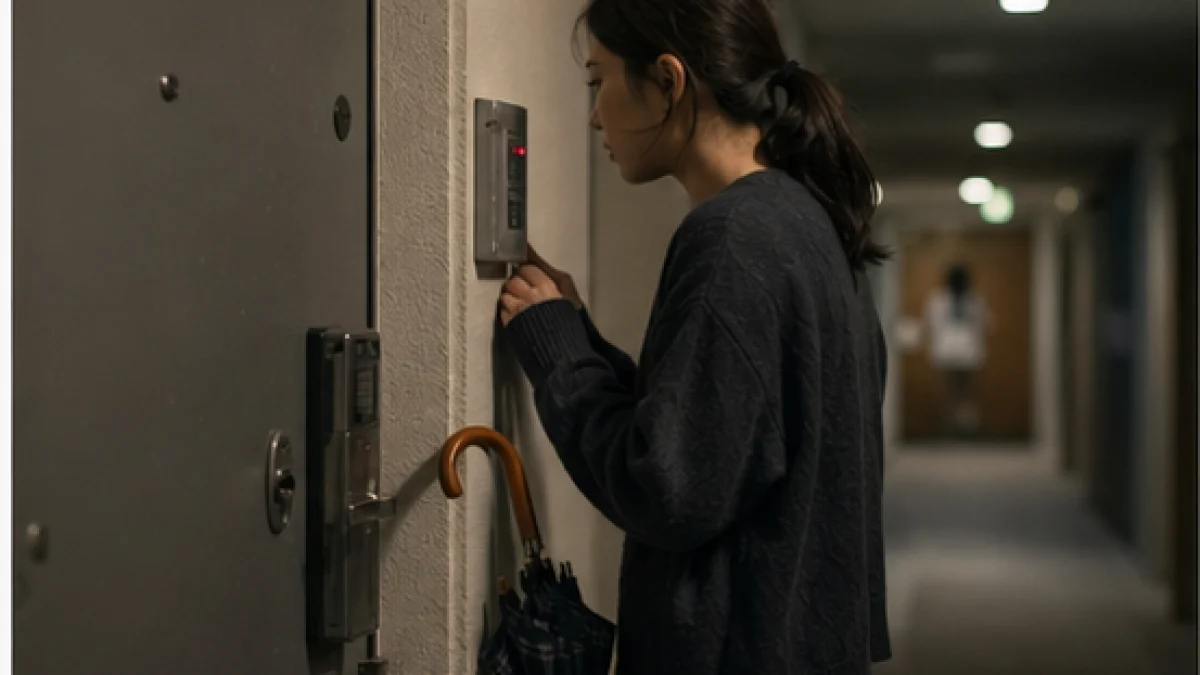
A pause and a disappearance are not the same thing
Someone may need a few hours or a day to calm down, think, or handle a crisis. That is different from vanishing with no explanation.
A real pause tells the other person when the conversation will be revisited instead of leaving them guessing.
Set a minimum contact floor
You do not need constant access or live location tracking to stay connected.
You can still expect a short message like "I am safe, I need tonight, and I will check in tomorrow at 6."
Emergency expectations should be clear
If there are health, family, or safety concerns, it is reasonable to discuss what counts as an emergency and what kind of response you expect.
That is not the same as demanding round-the-clock availability.
Do not turn space into a power move
If someone uses stress as a reason to avoid every hard conversation, the issue is no longer only stress.
At that point, the pattern is about responsibility and repair, not just needing a break.
Ask for the plan before the next crisis
This conversation works best when nobody is actively overwhelmed.
When things are calm, agree on how long a pause can last, what the check-in should look like, and when silence becomes a problem.
Stress does not erase the duty to send a basic signal
Some people speak less under stress. Going silent long enough that a partner fears for their safety is a separate issue. Even without a full explanation, most people can send a minimum signal such as, "I need time alone. I will contact you tomorrow evening." Agree on what is realistic while things are calm.
When contact resumes, relief can make it tempting to skip the conversation. Ask why the agreed signal failed and what will happen next time, without conducting an interrogation. If disappearance is used to avoid conflict or punish the other person, and agreements keep being ignored, the question is no longer how understanding you can be. It is whether the relationship meets the conditions you need.
When words are hard to find
- I respect needing space. I also need a check-in time so I am not left guessing.
- Can we agree on a minimum message when one of us needs to step back?
- If this is an emergency, I need to know how you want that handled.
Responses that make things harder
- Demanding constant access or location tracking
- Calling every request for space selfish
- Accepting unexplained disappearances as normal
Write a one-sentence check-in you would accept during a stressful pause, then add the time you would want the next update.
Before you decide
- Is this a requested pause or an unexplained disappearance?
- Did we agree on a return time?
- Do we have a minimum contact rule?
- Are emergency expectations clear?