
After a fight, the last thing you want is to sit with the mess. So you pour a drink, launch a game, or scroll until your brain feels far away from the conversation.
What to remember todayUse short pauses to recover, watch for patterns that keep you from returning, and get qualified support if the behavior is recurring, hard to control, or unsafe.
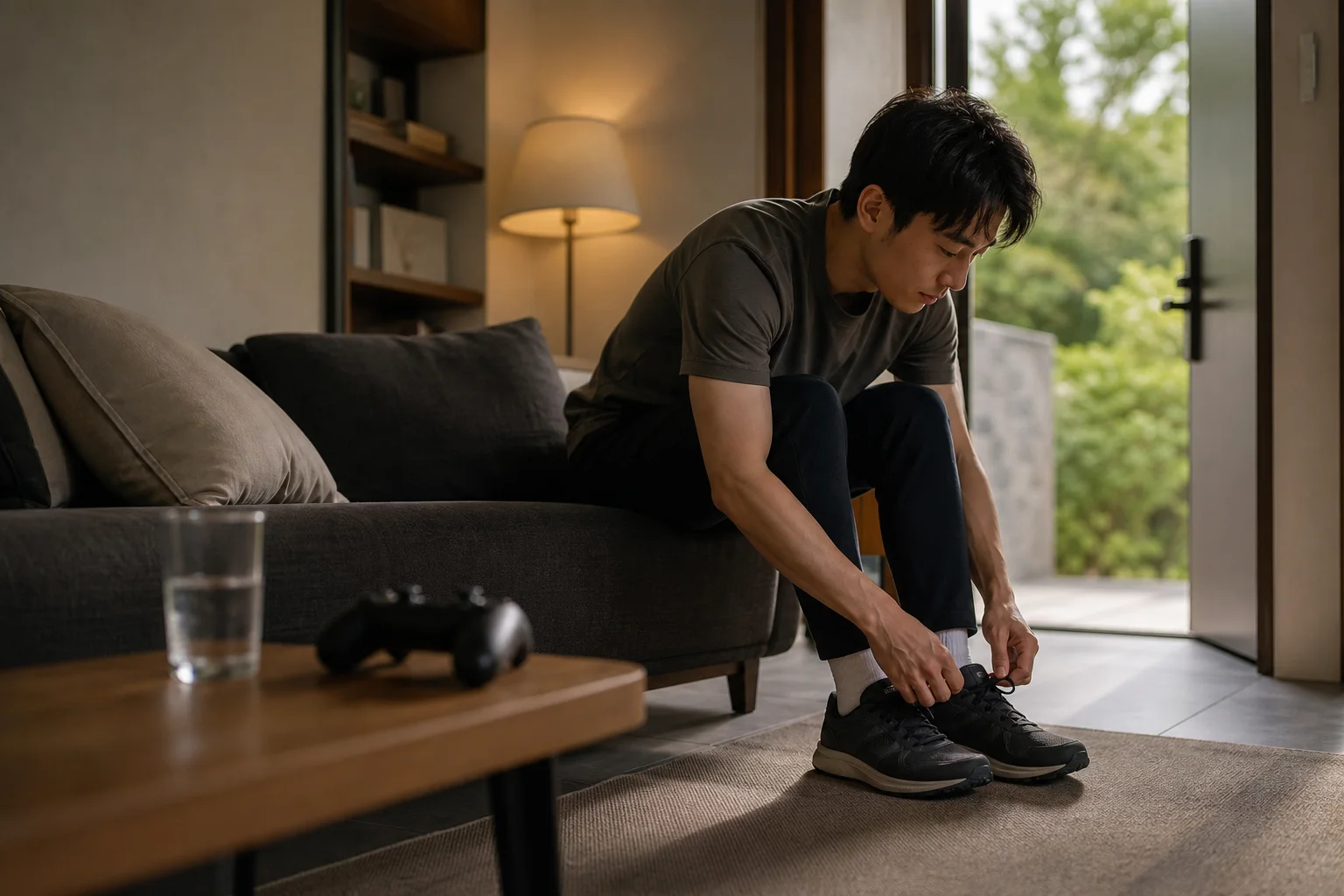
A short break can be useful
Stepping away, taking a walk, or watching something dumb can give your nervous system a chance to settle.
The point is to recover enough to come back, not to disappear forever.
Notice when the pause turns into avoidance
If the same coping move keeps pushing the conversation off until it fades, the issue is no longer just rest.
A pattern that always delays repair can make the original fight bigger over time.
Be honest about safety
If drinking or another coping behavior leads to impaired driving, aggression, self-harm, or violence, stop treating it as a harmless reset.
At that point, safety comes first and support matters now.
Set a return point
Instead of “I need space,” try “I am taking an hour and then I will come back.”
That keeps the pause from becoming a silent exit.
Get qualified help if it keeps happening
If you keep reaching for the same numbing behavior and cannot pull back on your own, talk to a qualified mental health or substance use professional.
You do not need to wait until life gets worse before asking for help.
Set the point where a break becomes avoidance
Games, videos, or alcohol may quiet the mind for a while. Ask what remains afterward: a little more calm, or a larger conflict and more regret the next day? Before you begin, choose an end time and one next action, such as taking a shower and writing a note. Leave yourself a bridge back to the issue.
Repeated intoxicated contact, damaged sleep, or spending that feels impossible to stop deserves more than a lecture about willpower. Seek professional and practical support instead of appointing a partner as a guard. The partner is not required to risk threats while trying to control the use. A break should preserve safety and make the next responsible choice possible.
When words are hard to find
- I need an hour to cool down, and then I will come back to this.
- I do not want to use drinking or gaming to avoid the problem again.
- This pattern is getting hard to control, so I want to talk to someone qualified.
Responses that make things harder
- Using numbing as the only response to conflict
- Starting an important conversation while impaired
- Ignoring safety risks like driving, aggression, or self-harm
Choose one recovery activity with a clear stop time and write the exact return time next to it.
Before you decide
- Did I separate a short pause from ongoing avoidance?
- Did I consider safety risks and impaired judgment?
- Did I set a return time instead of disappearing?
- Did I mention qualified help if the pattern keeps repeating?