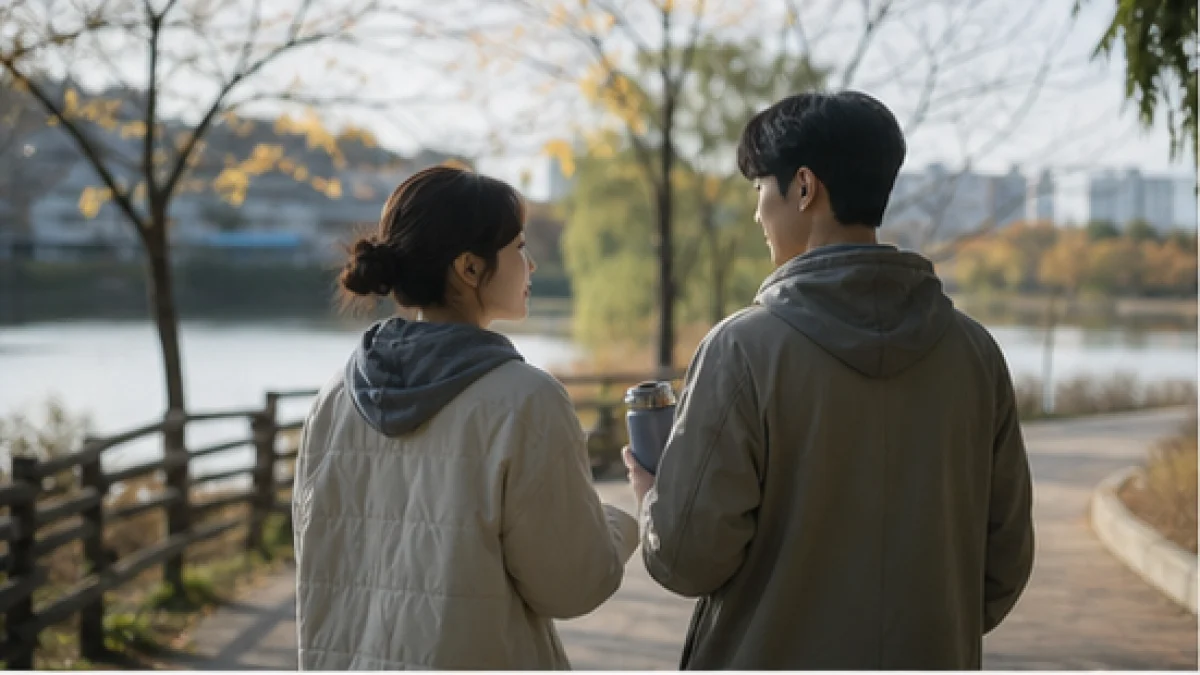
These days, it is normal to look someone up online once you start getting interested. Curiosity is natural, but it can also make it easy to cross a line.
What to remember todayPrivate details, photos, location, and availability all deserve permission before you treat them as yours to use.
Do not overuse what you found online
Even public posts should be handled carefully in conversation.
Bringing up old posts, photos, or accounts that the other person never mentioned can make the interaction feel watched instead of welcomed.
Do not share private material without asking
A screenshot or photo may feel harmless to you, but it can be a private moment for someone else.
If you need advice, describe the situation without passing along their image or message.
Separate interest from monitoring
Asking where someone is or what they are doing can drift from care into surveillance if it becomes a habit.
Checking whether you are asking to connect or asking to control is part of respecting the boundary.
Let people reveal themselves at their own pace
Knowing a few details about someone does not give you the right to fill in the rest for them.
Give people room to choose what they share and when they share it.
Keep digital curiosity from becoming entitlement
If you catch yourself searching, saving, or forwarding too much, pause before you turn curiosity into access.
The fact that something is visible does not make it available to use without care.
Say it clearly and briefly
- I would rather hear that from you directly.
- I am trying not to assume things from what I saw online.
Responses that make things harder
- Bringing up information the other person never volunteered
- Sharing their photos or messages without permission
Practice one way to ask directly instead of digging through someone’s accounts.
Before you decide
- Am I using online information with care?
- Did I ask before sharing or repeating something private?
- Am I keeping curiosity separate from entitlement?