
Rejection can make your brain start scanning for evidence that someone else would have done better. You compare faces, jobs, bodies, humor, timing, and everything else you can grab.
What to remember todayA rejection reflects one person’s choice in a particular situation. It does not rank your overall worth.
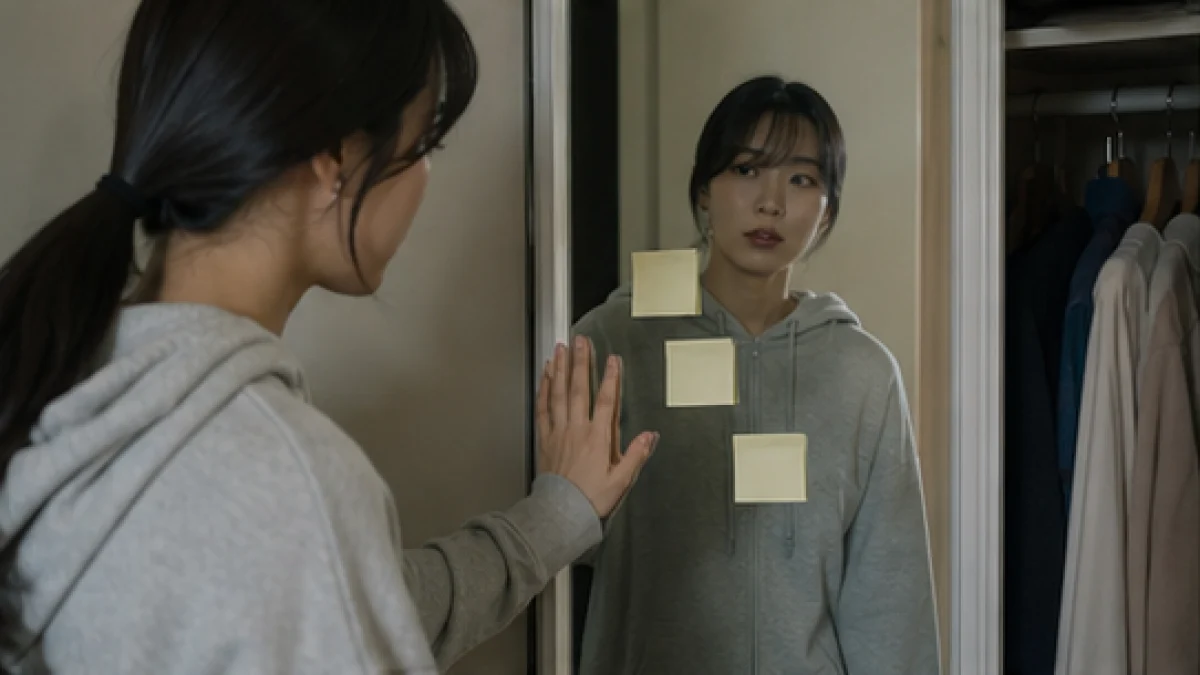
Comparison gives pain a story
It feels useful to ask what the other person had that you do not.
In reality, that question often turns a single no into a long attack on yourself.
Fit is not the same as value
Someone else being chosen does not mean you are less human, less lovable, or less capable.
It usually means the match was different.
Cut down social monitoring
Checking their profile, photos, or new dating life usually feeds comparison more than insight.
Less monitoring gives your mind less material to punish itself with.
Replace ranking with reflection
Ask what you actually learned about your own preferences, timing, or boundaries.
That keeps the attention on growth instead of humiliation.
Stay out of the appearance-status ladder
Trying to decide who is prettier, richer, smarter, or more interesting rarely helps.
Those ladders are built to make ordinary people feel smaller.
When words are hard to find
- This was a fit issue, not a verdict on me.
- I do not need to compare myself to everyone else.
- I am going to stop checking their life for clues about my worth.
Responses that make things harder
- Ranking your face, body, or status against others
- Tracking the other person’s life after rejection
- Treating comparison as if it were self-improvement
Write one sentence that explains the rejection as a mismatch, not a ranking.
Before you decide
- Am I turning fit into a scoreboard?
- Am I monitoring the other person too much?
- Am I using comparison to hurt myself?
- Can I name one thing I actually learned instead?