
After a breakup, the easiest story is often the harshest one: if you had just said the right thing, stayed calmer, or loved better, none of this would have happened. That story feels clean because it puts all the power in one place: you.
What to remember todayYou can admit your part without taking full ownership of a relationship that was shaped by two people and the conditions around them.
Responsibility is not the same as total fault
You may have said something careless, avoided something important, or handled conflict badly.
That still does not mean you caused everything by yourself.
The mind likes simple blame stories
“It was all my fault” can feel easier than facing uncertainty, mixed causes, or the fact that both people had limits.
Simple does not mean accurate.
Put context back into the picture
Consider timing, stress, compatibility, outside pressures, and the other person’s choices too.
If you remove all of that, you are not being honest. You are just being severe.
Self-compassion is not denial
You do not need to pretend you did everything perfectly to stop attacking yourself.
You can say, “I did some things I want to do differently,” without turning that into “I ruined everything.”
Do not use self-blame to fish for reassurance
Sometimes people say “It was all my fault” hoping someone else will contradict them and soothe them.
That is not accountability. It is a hidden request for rescue.
When words are hard to find
- I can own my part without owning all of it.
- What I did mattered, and so did the rest of the relationship.
- I want accuracy, not self-punishment.
Responses that make things harder
- Turning self-blame into a way to get reassurance
- Erasing the other person’s choices and the larger context
- Calling yourself the whole problem
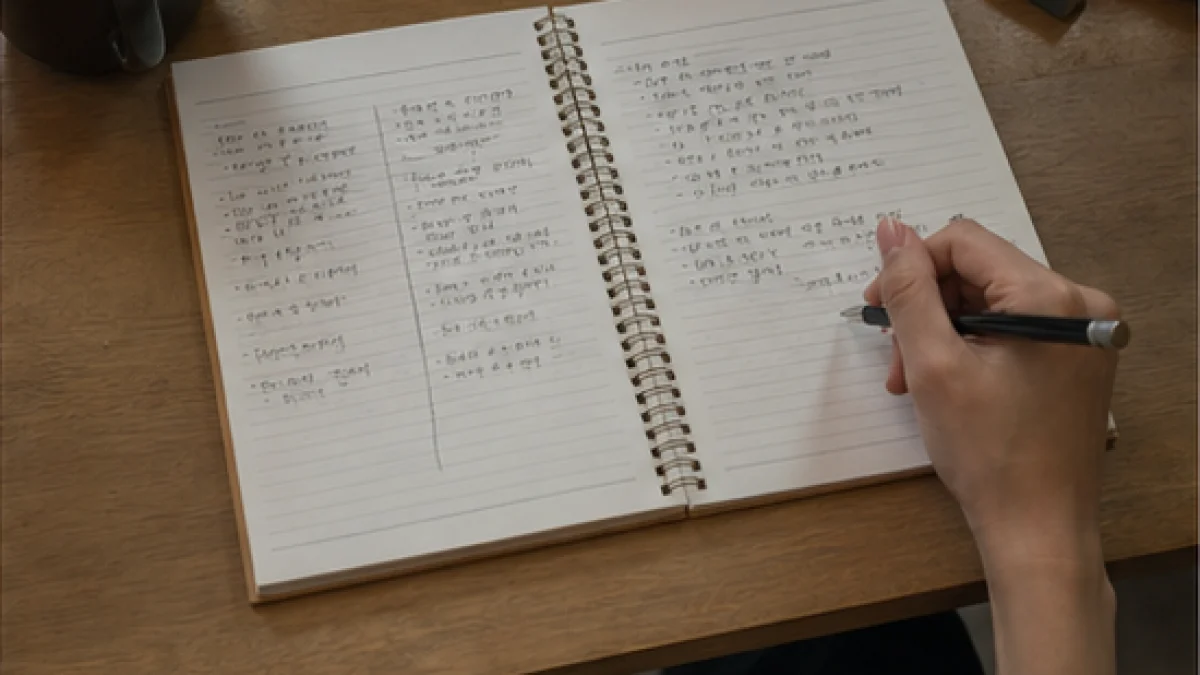
Write three lines: my part, our shared part, and what was outside my control. Keep all three on the page.
Before you decide
- Am I confusing responsibility with total fault?
- Have I restored context and mutual agency?
- Am I using self-blame to seek reassurance?
- Can I be honest without being cruel to myself?